

 See My Latest Article on HelloNation
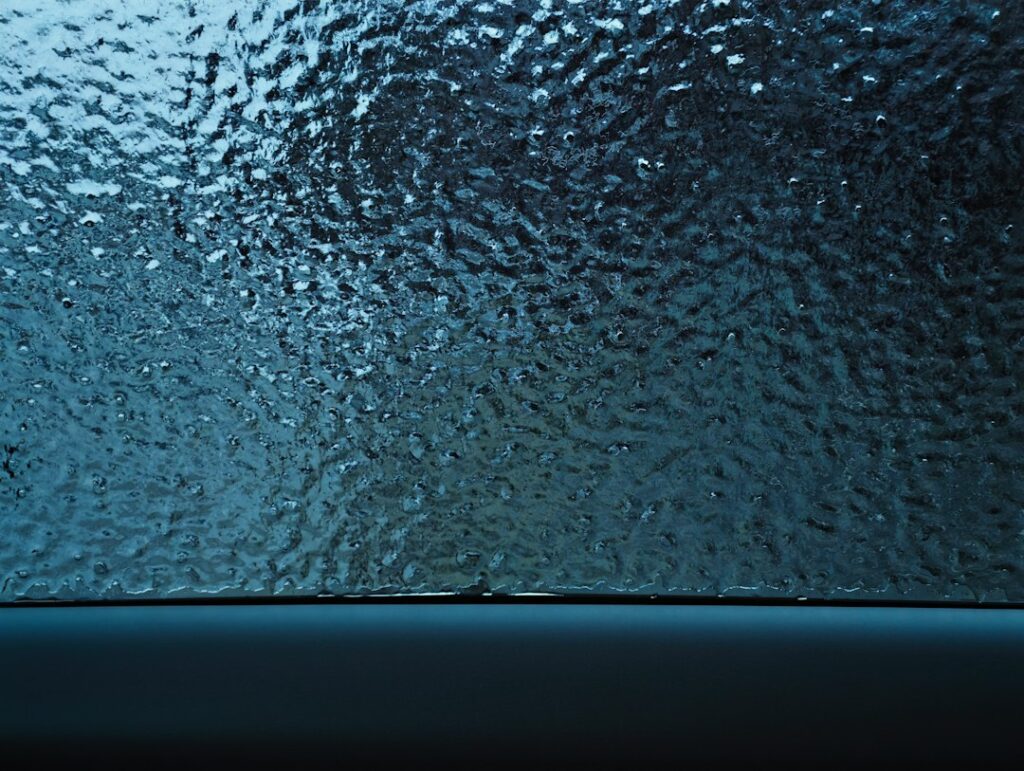
Why does condensation form on the inside of a window?
Interior window condensation forms when warm, moisture-filled indoor air touches glass that is cold enough to drop the air below its dew point. At that point, invisible water vapor changes into liquid water, appearing as fog, droplets, or a damp film on the room-facing side of the glass.
The glass itself is not producing water. The moisture comes from indoor air, while the window is simply the cold surface where that moisture becomes visible.
This is especially common during cold weather. In Galesburg, IL, heating-season temperatures can make window glass much colder than the surrounding room, particularly in older homes, rooms with limited air circulation, or windows located near exterior walls.
Is condensation on the glass caused by high humidity?
Usually, yes. Indoor humidity is the main factor, although the temperature of the glass also matters.
A home can feel comfortable while still holding enough moisture to create condensation. Everyday activities add water vapor to the air, including:
- Showers and baths
- Cooking and boiling water
- Drying laundry indoors
- Running a humidifier
- Breathing, especially in a crowded room
- Damp basements, crawl spaces, or foundation areas
- Houseplants and aquariums
- Unvented combustion appliances
The colder the glass, the less indoor moisture it takes to create water droplets. A relatively modest humidity level may cause condensation on an older single-pane window during a cold spell, while a warmer, better-insulated window may remain clear under the same indoor conditions.
A basic indoor hygrometer can help identify the pattern. In many homes, relative humidity between about 30% and 50% is a reasonable target, though the appropriate level may vary with outdoor temperature, the building’s construction, and occupant comfort. If windows repeatedly collect water, indoor humidity may be too high for the surface temperature of the glass.
Why is condensation worse in winter?
Winter creates the combination that condensation needs: warm indoor air and cold window surfaces.
Heating systems warm the air, but they do not remove the moisture produced by normal household activities. As that warm air reaches the perimeter of a window, the glass, sash, frame, and nearby wall surfaces may be considerably colder. If the surface temperature falls below the dew point, water forms.
Condensation can be more noticeable in bedrooms because doors are often closed overnight and several people may add moisture to a small space. Kitchens and bathrooms also experience short periods of very high humidity. Curtains, blinds, and furniture can make the problem worse by blocking warm room air from reaching the glass.
In older homes, air leakage around the frame, deteriorated glazing compounds, or limited insulation near the opening can further reduce surface temperatures. A window does not have to feel drafty for the glass to remain cold enough for moisture to collect.
Does condensation mean a window is broken?
Not necessarily. Condensation on the room-facing surface usually points to indoor humidity, cold glass, or limited air movement rather than a failed window.
However, the location of the moisture matters:
Condensation on the inside surface:
This is generally related to indoor humidity and the temperature of the glass.
Condensation on the outside surface:
This can occur when the exterior glass is cooler than humid outdoor air. It is often temporary and does not automatically indicate a problem.
Condensation between panes of insulated glass:
This may indicate that the edge seal has failed and moisture has entered the sealed space. Fogging between panes cannot normally be wiped away from either side. The window may still function, but its insulating performance and appearance can be affected.
Water around the frame or on the wall should not be dismissed as ordinary condensation. It may also result from a leaking exterior seal, damaged flashing, roof runoff, plumbing, or water entering around the opening.
How can indoor window condensation be reduced?
The most effective approach combines moisture control with better air circulation around the glass.
Start with the sources that add the most water vapor:
- Run bathroom exhaust fans during showers and for a while afterward.
- Use a kitchen exhaust fan when boiling, frying, or producing visible steam.
- Vent clothes dryers outdoors and confirm that the duct is not restricted.
- Avoid drying large amounts of laundry in living areas.
- Turn down or pause portable humidifiers during periods of heavy window moisture.
- Keep basement and crawl-space areas dry.
- Use a dehumidifier when indoor humidity remains high.

Air movement also matters. Opening interior doors, keeping warm air pathways clear, and avoiding tightly closed blinds or curtains can help the glass stay warmer. Fans may improve circulation, but they do not remove moisture by themselves.
Wipe visible water from sills and frames, especially when condensation is heavy. Repeated dampness can discolor wood, soften finishes, damage drywall, and encourage mold growth. Drying the surface addresses the immediate water, but the underlying humidity or cold-surface problem still needs attention.
Should windows be opened to clear the moisture?
Sometimes, but outdoor conditions determine whether that helps.
Brief ventilation can reduce indoor humidity when the outside air is cold and relatively dry. In winter, a short exchange of indoor and outdoor air may remove moisture without greatly cooling the home. Opening windows during or after bathing may also help if outdoor air is drier.
Opening windows during warm, rainy, or very humid weather can add moisture instead. Exhaust fans that discharge outdoors are usually more reliable for removing moisture generated by showers and cooking.
A window should not be left open in freezing conditions if pipes, finishes, or the window itself could be damaged. Ventilation should also be balanced with comfort, energy use, and the home’s heating system.
When is window condensation a warning sign?
Occasional light fogging during a cold morning is common. Persistent water, puddles on the sill, peeling paint, musty odors, or darkened trim deserve closer attention.
Pay particular attention when:
- Condensation occurs on several windows despite moderate humidity.
- Moisture remains for hours after the room has warmed.
- Mold or staining appears around the frame.
- Water is visible between insulated glass panes.
- The wall below a window feels soft, swollen, or discolored.
- One window is much wetter than similar windows nearby.
- Condensation appears during mild weather, not only during cold snaps.
These patterns can point to unusually cold glass, poor air circulation, damaged seals, air leakage, or water intrusion. Determining whether the issue is humidity-related or connected to the window assembly helps prevent unnecessary repairs and avoids overlooking hidden moisture damage.
For households in older housing, seasonal inspection is useful. Check the glass, frame, sill, nearby trim, and wall surface before and during the heating season. A clear understanding of where the moisture forms is often the first step toward correcting it.