

 See My Latest Article on HelloNation
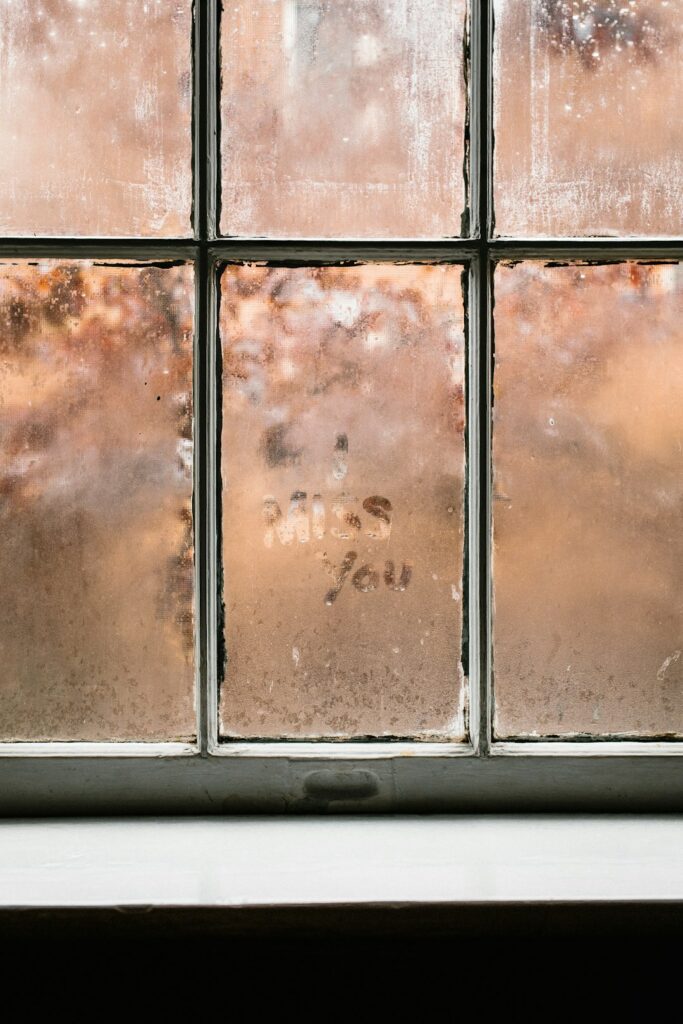
Double-pane windows are designed with two glass panes separated by a sealed space. That space usually contains insulating air or gas, along with a spacer around the edges. If moisture appears between the panes rather than on the room-side or outdoor-side surface, the insulating seal has likely failed.
For residents in Galesburg, IL, this is a common window concern during cold winters, humid summers, and rapid temperature changes. The condition is usually not an immediate emergency, but it can reduce energy performance, obscure the view, and signal that the insulated glass unit is no longer functioning as designed.
What does moisture between the panes mean?
Moisture between double-pane windows generally means the edge seal has lost its airtight or watertight performance. Once the seal weakens, humid air can enter the space between the panes. As the glass cools, that moisture condenses into fog, droplets, or a cloudy film.
This is different from ordinary condensation on the inside or outside surface of a window. Condensation on an exposed surface can often be related to indoor humidity, outdoor weather, cooking, bathing, or poor air circulation. Moisture trapped inside the sealed glass assembly points to a problem within the window unit itself.
The moisture may appear as:
- Light fogging around the edges
- A cloudy or milky appearance across much of the glass
- Water droplets between the panes
- Streaks or mineral-like marks that remain after the glass is cleaned
- Condensation that comes and goes with changing temperatures
Why do window seals fail?
Window seals can deteriorate for several reasons, and failure does not always mean the window was installed incorrectly. Common causes include age, repeated expansion and contraction, ultraviolet exposure, manufacturing defects, and physical stress on the frame or glass.
Seasonal movement can be especially noticeable in climates with freezing winters and warm, humid summers. Glass and framing materials expand and contract at different rates. Over many years, that movement can place stress on the seal along the perimeter of the insulated glass unit.
Other contributing factors may include:
- Older insulating glass units
- Damaged or distorted window frames
- Water intrusion around the exterior perimeter
- Pressure from settling or movement in the surrounding wall
- Impact damage that is not immediately obvious
- Failed spacer materials between the panes
A broken seal does not necessarily mean the entire window frame has failed. In many cases, the problem is limited to the sealed glass unit.
Is moisture between double-pane windows dangerous?
Moisture between the panes is usually not dangerous by itself. It does not normally create a direct health hazard because the moisture is enclosed within the glass assembly. However, the condition should not be ignored indefinitely.
A failed seal can reduce the window’s insulating performance. The space between the panes is supposed to slow heat transfer, but humid air and lost insulating gas can make the glass less effective. The affected window may feel colder in winter or warmer in summer, and nearby heating or cooling equipment may run more often.
The moisture can also make it harder to see clearly through the window. If the glass is located near a stairway, entry area, kitchen, or another place where visibility matters, persistent fogging may be more than a cosmetic inconvenience.
Does foggy glass mean the whole window must be replaced?
No. Fogging between the panes does not automatically mean the complete window frame must be removed. The appropriate remedy depends on the design and condition of the window.
If the frame, sash, hardware, and surrounding structure are still sound, replacing the insulated glass unit may be possible. This involves removing the failed glass assembly and installing a properly sized replacement unit in the existing frame.
A full window replacement may make more sense when several parts are deteriorated, such as:
- Rotting or damaged wood
- Cracked or badly warped frames
- Persistent air or water leakage around the entire window
- Inoperable hardware
- Poor fit within the opening
- Widespread seal failures throughout the home
A glass-only repair can preserve a serviceable frame, while a complete replacement addresses broader structural or operational problems. The visible fog is only one part of the evaluation.
Can the moisture be removed without replacing the glass?
There are methods marketed as ways to clear fogged insulated glass, including drilling small openings and venting the space. These approaches may improve visibility temporarily, but they generally do not restore the original sealed insulating performance.
Once the seal has failed, the durable repair usually involves replacing the insulated glass unit or, when necessary, the entire window assembly. Cleaning the exposed surfaces will not remove moisture trapped inside the sealed space.
Homeowners should also avoid trying to separate the panes or use heat to dry the interior. Double-pane glass can break unexpectedly, and heating one area unevenly may increase stress on the glass.
How can you tell where the condensation is located?
A simple inspection can help identify whether moisture is inside the sealed unit.
First, wipe the room-side surface of the glass with a clean, dry cloth. Then check the outdoor-facing surface if it is safely accessible. If the haze or droplets remain visible between the panes after both exposed surfaces are clean, the moisture is likely inside the insulated glass unit.
Look closely at the edges of the glass. A failed seal often produces fogging that begins around the perimeter and gradually spreads inward. However, not every failed unit looks the same. Some remain clear during dry weather and become cloudy only when temperatures change.

What should residents check before deciding what to do?
Before taking action, inspect the window and surrounding area rather than focusing only on the fog.
Check whether:
- The window opens, closes, and locks properly
- The frame shows swelling, cracking, soft wood, or corrosion
- Water appears on the wall, sill, trim, or floor
- Air can be felt around the frame on a windy day
- The fogging affects one pane or several windows
- The glass has a crack, chip, or impact mark
- Interior humidity is unusually high
Moisture between panes is different from water leaking around the window. If the wall, trim, or sill is wet, the problem may involve exterior flashing, caulking, drainage, or another part of the opening. That issue should be addressed separately so hidden damage does not continue.
Can high indoor humidity cause moisture between the panes?
High indoor humidity can cause condensation on the room-side surface of cold glass, but it does not normally create moisture inside a properly sealed double-pane unit. It may, however, make an existing seal failure more noticeable.
During cold weather, indoor humidity from showers, cooking, laundry, plants, and unvented appliances can condense on windows. Improving bathroom and kitchen ventilation, using exhaust fans, and maintaining reasonable indoor humidity may reduce surface condensation.
If the moisture remains trapped between the panes after indoor humidity improves, the insulated glass seal is still the more likely explanation.
How urgent is a fogged double-pane window?
A fogged window is usually a maintenance issue rather than an emergency. Still, timing can matter if the glass is deteriorating quickly, the window is difficult to operate, or water is reaching the surrounding structure.
Prompt attention is more appropriate when:
- Water is entering the wall or interior trim
- The frame is soft, swollen, or visibly decayed
- The glass is cracked or unstable
- The window is a required emergency exit
- The affected window is creating a significant draft
- Fogging is widespread throughout the home
For a single older window with limited fogging, the decision may depend on visibility, comfort, energy use, and the expected remaining life of the frame. A failed seal does not always require immediate replacement, but it does mean the window is no longer performing at its original level.
How can future seal problems be limited?
No maintenance routine can prevent every seal failure, but careful operation and water management can help protect insulated windows.
Avoid slamming sashes, forcing stuck hardware, or leaning objects against the glass. Keep drainage paths clear and watch for gaps or deterioration around exterior joints. Interior condensation should be managed through ventilation and reasonable humidity control, especially during cold weather.
If one window begins to fog, inspect nearby windows with the same age and design. Similar units may experience similar wear, although each window should be evaluated individually rather than replaced automatically.