

 See My Latest Article on HelloNation
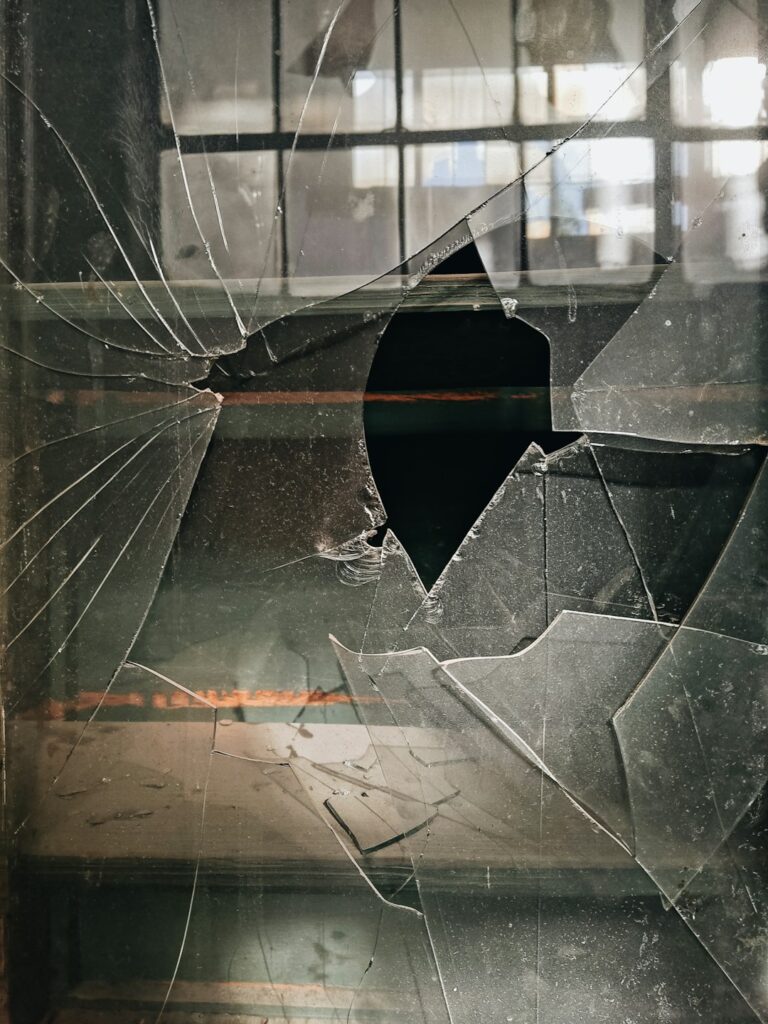
Can a window pane crack without being hit?
Yes. A window can crack even when no object has struck it. The most common non-impact causes are thermal stress, pressure from the frame, movement in the building, manufacturing defects, and edge damage that was too small to notice when it occurred.
A crack may appear suddenly, but the weakness often developed gradually. In many cases, the glass was exposed to repeated temperature changes, uneven pressure, or a small flaw that eventually spread across the pane.
For households in Galesburg, IL, seasonal temperature swings can make this problem more noticeable. Cold winters, strong sunlight, indoor heating, and rapid changes between outdoor and indoor conditions all place stress on glass.
How does temperature cause a window to crack?
Glass expands when heated and contracts when cooled. If different parts of the same pane change temperature at different rates, internal stress can develop. This is known as thermal stress.
A common example is a window with bright sunlight on one section while another section remains shaded by a curtain, nearby structure, snow, or a deep overhang. The sunlit area warms and expands, while the cooler area does not. The difference can be enough to start or extend a crack.
Thermal cracking is more likely when:
- A dark curtain or shade is positioned very close to the glass
- Part of the window is covered while another part receives direct sunlight
- Snow or ice remains against one section of the pane
- A heating vent blows warm air directly onto cold glass
- A cold window is exposed to a sudden burst of indoor heat
- The pane already has a small chip or weakened edge
Thermal cracks often begin at the edge of the glass and extend inward. They may travel in a relatively straight line, although the exact pattern depends on the pane, frame, and location of the stress.
Can the window frame cause the glass to break?
Yes. A pane can crack if the frame holds it too tightly or shifts against it. Glass needs a small amount of room to expand and contract. If the framing material presses against the pane, even normal seasonal movement can create stress.
This problem may occur in older wood windows, metal frames, insulated glass units, or windows that were installed with incorrect spacing. Paint buildup, hardened glazing material, replacement parts that do not fit correctly, or frame distortion can reduce the clearance around the pane.
Signs that frame pressure may be involved include:
- A crack that starts near a corner or edge
- Several panes in the same frame cracking over time
- Visible gaps, bulges, or distortion around the sash
- Difficulty opening or closing the window
- A frame that appears warped or swollen
- Cracking that returns after a pane has been replaced
The glass itself may be sound, but the surrounding assembly can transfer pressure into it.
What role does a settling or shifting building play?
Buildings move slightly over time. Wood framing expands and contracts with changes in moisture, foundations settle, and structural components can shift under changing loads. Most of this movement is minor, but a rigid window frame may transmit enough pressure to crack the glass.
Windows installed in older homes may be especially sensitive if the frame has become out of square. A door or nearby wall can also shift enough to affect a window opening. This does not necessarily indicate a serious structural problem, but repeated cracking in the same opening deserves closer attention.
If cracks appear in several windows, doors begin sticking, drywall develops new diagonal cracks, or the frame visibly twists, the glass may be showing a symptom of movement around the opening rather than an isolated pane failure.
Can a manufacturing defect cause a delayed crack?
A defect or weakness introduced during production can remain unnoticed for years before the glass breaks. Small imperfections, inclusions within the glass, or edge damage from handling may act as starting points for a later crack.
Tempered glass can also fail without a visible impact at the moment it breaks. It is designed to fracture into many small pieces, but an internal impurity or previous edge damage may eventually trigger failure. In some cases, the break occurs long after the window was installed.
Insulated glass units can experience seal failure as well. Seal failure usually causes fogging or moisture between panes rather than an immediate crack, but pressure changes inside the unit may contribute to stress in certain conditions.
A delayed failure does not always mean the pane was recently damaged. The initiating weakness may have been present since manufacturing, transportation, installation, or an earlier unnoticed event.

How can a tiny edge chip lead to a full crack?
The edges of a window pane are particularly vulnerable. A small nick caused during installation, cleaning, lawn equipment use, moving furniture, or an earlier minor impact may be difficult to see. Temperature changes or frame pressure can then cause the flaw to spread.
This is why a pane may seem to crack “by itself” days or months after an event. The original damage may have been too small to notice, while later stress made the crack visible.
A crack that begins at the edge and follows a smooth path is often associated with edge damage, thermal stress, or frame pressure. A distinct impact point, radiating lines, or a small crater in the glass suggests direct contact instead.
Does window orientation or interior heating matter?
It can. Windows facing strong afternoon sunlight may experience more uneven heating than shaded windows. Interior conditions also matter. A radiator, heat register, wood stove, or portable heater positioned near glass can create a warm zone next to a colder surrounding area.
Curtains and blinds are not automatically a problem, but they can trap heat if pressed tightly against the pane. Leaving a small space between the covering and the glass allows air to circulate and reduces sharp temperature differences.
During very cold weather, maintaining reasonably steady indoor temperatures is generally less stressful for windows than allowing a room to become very cold and then heating it rapidly.
Is a cracked window dangerous?
A cracked pane should be treated cautiously, even if it remains in place. Cracks can spread unexpectedly, and loose fragments may fall during cleaning, vibration, wind, or further temperature changes.
Keep children and pets away from the area. Avoid pressing on the glass, opening and closing a damaged sash unnecessarily, or attempting to remove large pieces without suitable protective equipment. Temporary clear tape placed across a crack may help limit loose fragments, but it is not a structural repair.
If the glass is shattered, bowed, hanging from the frame, or located where people regularly pass, the area may require prompt attention because of cutting and falling-glass hazards.
How can homeowners reduce the risk of unexplained cracks?
A few routine precautions can reduce stress on window glass:
- Keep heating vents and portable heaters from blowing directly onto panes
- Avoid pressing curtains, shades, or furniture tightly against windows
- Clear heavy snow and ice carefully without striking the glass
- Inspect pane edges and corners for chips or small nicks
- Do not force windows that stick or bind in the frame
- Watch for repeated cracks in the same opening
- Keep sprinklers from spraying cold water onto sun-heated glass
- Avoid leaning ladders, tools, or outdoor equipment against windows
A single unexplained crack may result from a hidden edge flaw or an isolated thermal event. Repeated cracking, corner-origin cracks, visible frame distortion, or damage affecting multiple windows points more strongly toward an installation, framing, or building-movement issue.